

Air Purifiers Buying Guide: What to Look For in 2026
🏆 Top Picks at a Glance
 #1
#1
Best Overall
Our Top Picks
Affiliate disclosure: if you buy through these links, we may earn a commission at no extra cost to you.
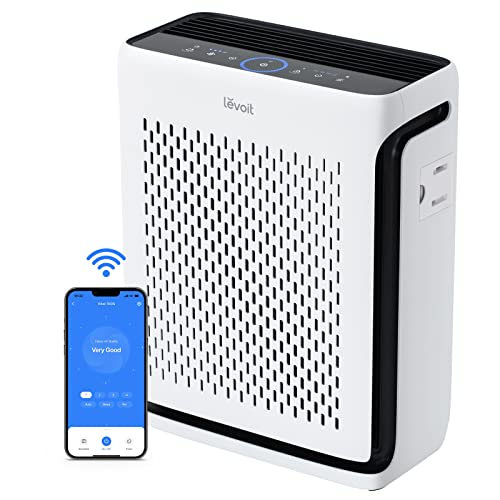
LEVOIT Air Purifiers for Home Large Room Up to 1875 Ft² with Washable Pre-Filter, AHAM VERIFIDE, Air Quality Monitor, HEPA Sleep Mode for Allergies, Pet Hair in Bedroom, Vital 200S-P, White
$159.9
Check Price →
#2
Runner Up
LEVOIT Air Purifier for Home Large Room Up to 1073Ft² with Air Quality Monitor, AHAM VERIFIDE, Smart WiFi, Washable Pre-Filter, HEPA Sleep Mode for Pets, Allergies, Dust, Pollen, Vital 100S-P, White
$113.93
Check Price → #3
#3
Best Value
Shark Air Purifier for Home, NeverChange Compact Pro, for Bedroom, Nursery, Home Office, Dorm, HEPA-Exceeding Filter, Captures Pollutants, Pet Dander, Dust, Odor, Smoke, and More, HP071BRN, Winter Fog
$99.99
Check Price →⚡ Quick Answer
If you’re serious about indoor air quality, understanding the core features of air purification devices can dramatically improve your health and comfort. From filtering out microscopic particles to managing humidity levels, the right equipment makes a tangible difference—especially as scientific standards evolve. In 2026, with innovations in CADR ratings and filtration tech, knowing what specifications truly matter is essential for making an informed purchase.
Table of Contents
- Understanding CADR and Filtration Efficiency
- Choosing the Right Filter Type & Particle Size Capture
- Room Size Coverage and Practical Placement
- Maintenance, Filter Replacement Costs, and Longevity
- Special Features: Humidifiers, Dehumidifiers & Air Quality Monitors
- Choosing Whole House and Portable Air Purifiers
- Frequently Asked Questions
This guide distills the science behind effective air cleaning into accessible advice, ensuring you select products that deliver real-world results without breaking the bank on ongoing maintenance. Whether you're battling seasonal allergies, asthma, or just striving for a healthier home environment, this is your authoritative starting point.
LEVOIT Air Purifiers for Home Large Room Up to 1875 Ft² with Washable Pre-Filter, AHAM VERIFIDE, Air Quality Monitor, HEPA Sleep Mode for Allergies, Pet Hair in Bedroom, Vital 200S-P, White
$159.9Check PriceUnderstanding CADR and Filtration Efficiency
The Clean Air Delivery Rate (CADR) is the gold standard for measuring an air purifier’s effectiveness. It quantifies the volume of filtered air delivered per minute, targeting specific particle sizes—typically smoke, dust, and pollen. For example, a CADR of 300 for smoke indicates the device can substantially reduce fine particles (down to 0.1 microns) within a given space. Higher CADR ratings mean faster particle removal, which is critical in bedrooms or allergy-prone environments.
Filtration efficiency refers to how well a system can trap pollutants of different sizes. HEPA filters, which are rated to capture 99.97% of particles as small as 0.3 microns, are the cornerstone for particle removal—especially for allergens, bacteria, and viruses. When shopping, check technical specs—modern HEPA filters often achieve even higher sub-micron efficiencies. Ensuring your purifier has sufficient CADR for your room size guarantees optimal airflow and filtration, reducing airborne contaminants effectively.
Choosing the Right Filter Type & Particle Size Capture
HEPA filters are the industry standard for removing tiny airborne particles, including pollen, pet dander, bacteria, and some viruses. For homeowners concerned about ultrafine particles (sub-0.1 microns), look for filters with enhanced filtration media or advanced nanofiber HEPA layers. Activated carbon filters are also essential—they trap odors, volatile organic compounds (VOCs), and gaseous pollutants, which HEPA alone cannot remove.
The particle size spectrum that matters most in indoor air quality spans from visible dust (~1 micron) down to aerosols (~0.1 microns). Typical HEPA filters excel within this range, but be cautious with cheaper, lower-efficiency filters that might only trap larger particles. For comprehensive protection—especially if sensitive to chemical odors or VOCs—consider devices combining HEPA and activated carbon stages.
Room Size Coverage and Practical Placement
Select an air purifier with a specified room coverage that matches or exceeds your actual space. Manufacturers list maximum room sizes in square feet or cubic meters; choosing a unit well-suited to your environment optimizes air turnover (measured in Air Changes per Hour, or ACH). In general, larger zones require higher CADR and more powerful units.
Placement is equally critical: position your purifier near pollution sources (like smoking areas, pet zones, or entry points) and avoid obstructing vents or airflow pathways. Elevating the device off the floor—on a table or shelf—can improve circulation and filtration efficiency.
💡 Pro Tip: For larger open-plan rooms or multi-zone spaces, consider multi-room or whole-house filtration solutions rather than a single portable unit.
Maintenance, Filter Replacement Costs, and Longevity
While upfront costs matter, ongoing maintenance is equally important. HEPA filters typically require replacement every 12–18 months, depending on usage and air quality. High-quality filters can cost anywhere from $50 to $150 each, and some premium units have reusable media with washable pre-filters that extend lifespan.
Check the filter availability and replacement costs of your chosen purifier before purchasing. Regular maintenance, including timely filter replacements, preserves filtration efficiency and prolongs device lifespan—saving you money and ensuring consistent air quality. Some units feature indicator lights or app alerts to simplify maintenance scheduling.
Special Features: Humidifiers, Dehumidifiers & Air Quality Monitors
Many advanced air purifiers come integrated with humidification or dehumidification functions, which are crucial in climates with extreme dryness or moisture. Maintaining optimal humidity (30–50%) can inhibit mold growth and alleviate respiratory irritation. Certain models also incorporate real-time air quality monitors, providing visual or app-based feedback on pollutant levels.
Air quality monitors help you understand when to run your purifier more intensively or when to adjust humidity. Some units connect to smartphones for data logging and personalized recommendations. These features, though often at a higher price point, empower you to optimize indoor conditions proactively.
Choosing Whole House and Portable Air Purifiers
Whole house purification systems connect directly to your HVAC ductwork with high-efficiency filters (like MERV 13–16), providing broad coverage at a relatively low maintenance cost. They're ideal for large homes, minimizing the need for multiple portable units. However, installation costs and filter replacement expenses should be considered upfront.
Portable air cleaners are more flexible; they can be moved from room to room and often require less initial investment. Their CADR ratings and room size specifications guide optimal placement. For allergy sufferers or those with chemical sensitivities, portable units with true HEPA and activated carbon filters are usually sufficient in individual rooms or smaller spaces.
Frequently Asked Questions
How do I know if an air purifier is effective for my space?
Check the CADR rating and ensure it matches at least two-thirds of your room's square footage. Look for certification from reputable testing agencies and ensure the filter type suits your pollutant concerns.
How often should I replace HEPA filters?
Typically every 12–18 months, but this varies with usage and air quality. Some filters have indicator lights; otherwise, follow manufacturer recommendations.
Are expensive filters worth the cost?
Higher-priced filters often offer higher efficiency, longer lifespan, or better airflow, which can justify the investment—especially in sensitive environments like hospitals or for allergy sufferers.
Can air purifiers remove viruses?
HEPA filters are effective at capturing respiratory aerosols that carry viruses. Some units with UV-C or ionization add extra pathogen reduction, but no purifier eliminates all risk. Proper usage and ventilation remain crucial.
Is a taller or larger purifier always better?
Size isn't everything—focus on matching CADR and room size coverage. Oversized units can be noisier and unnecessary; undersized units won't achieve desired air changes.
What about noise levels?
Look for decibel ratings—ideally under 50dB in quiet mode—for bedroom or office use. Many modern units offer quiet or sleep modes optimized for nighttime operation.
In conclusion, choosing the right air purifier in 2026 means understanding both your indoor environment and the technical specs behind filtration. Prioritize high CADR ratings, efficient HEPA filtration, appropriate room coverage, and manageable maintenance costs. Equipped with this knowledge, you’ll be empowered to make choices that genuinely protect your health and enhance your home’s air quality.
Next step: assess your space, identify your pollution concerns, and select a device that offers reliable performance with transparent specifications. Your lungs will thank you.
Frequently Asked Questions
How do I choose the right air purifier for my specific room size?
To select the correct unit, calculate your room's square footage and ensure the device's Clean Air Delivery Rate (CADR) matches that space. For example, a portable air cleaner with a high CADR is necessary for large living rooms, while smaller units suffice for bedrooms.
What is the best type of filter to use for severe allergy relief?
The most effective solution for allergies is an air purifier equipped with a true HEPA filter, which captures 99.97% of particles as small as 0.3 microns. You should also look for models that include activated carbon layers to trap allergens like pet dander and pollen effectively.
Is it worth buying a whole house air purifier instead of portable units?
A whole house air purifier is worth the investment if you want comprehensive filtration that cleans air as it circulates through your HVAC system. This approach is more efficient for large homes but requires professional installation, whereas portable cleaners offer flexibility for specific rooms.
How do I choose between a humidifier and an air purifier for my home?
You should choose based on your primary air quality issue: use an air purifier to remove dust and allergens, or select a humidifier if you need to add moisture to dry air. In many cases, combining both devices provides the best comfort and health benefits year-round.
What is the difference between CADR and filtration efficiency ratings?
Filtration efficiency indicates the percentage of particles a filter captures (like HEPA standards), while CADR measures how quickly the device delivers clean air to a room. A high-efficiency filter with a low CADR will clean air slowly, making it less effective for large spaces.
How do I choose an air quality monitor to pair with my purifier?
Select a monitor that displays real-time data for PM2.5, VOCs, and humidity levels so you can verify when your purifier is working effectively. Look for models with clear visual indicators or app connectivity to adjust your device settings based on current air conditions.
Is it worth investing in an essential oil diffuser alongside my air purification system?
While a diffuser can enhance ambiance, it is not necessary for health and may actually strain your air purifier if oils clog the filter. It is generally better to rely on your HEPA unit for cleaning and use a diffuser only in well-ventilated areas without sensitive filtration systems.


