

How to Improve Indoor Air Quality for Spring Allergy Relief in 2026
Spring is coming—and so are the allergens. Tree pollen, mold spores, dust mites, and pet dander will soon be circulating through your home at levels that can trigger sneezing, congestion, itchy eyes, and worse. But here's what most people don't realize: you can reduce indoor pollen concentrations by up to 90% with the right equipment and strategy. The key is understanding which technologies actually work, sizing them correctly for your space, and maintaining them properly.
Our Top Picks
Affiliate disclosure: if you buy through these links, we may earn a commission at no extra cost to you.

Over my 15 years studying indoor air quality, I've seen countless homeowners waste money on ineffective solutions while overlooking the fundamentals. This guide walks you through the science-backed approach to spring allergy relief—no guesswork, no marketing hype.
LEVOIT Air Purifiers for Home Large Room Up to 1875 Ft² with Washable Pre-Filter, AHAM VERIFIDE, Air Quality Monitor, HEPA Sleep Mode for Allergies, Pet Hair in Bedroom, Vital 200S-P, White
$159.99Check Price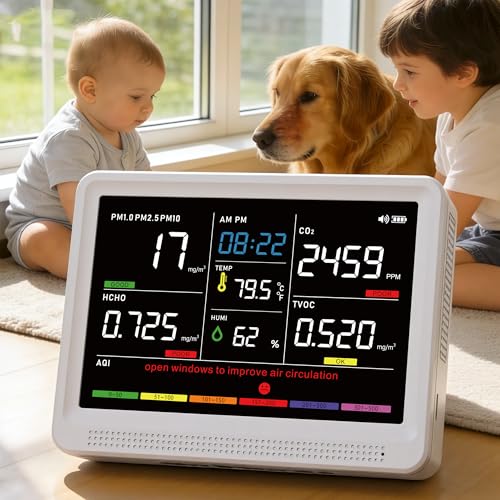
Table of Contents
Understanding Spring Allergens and How They Travel
Spring allergens don't behave the way most people imagine. Tree pollen particles range from 10 to 100 micrometers in diameter—visible to the naked eye in sunlight. But here's the problem: these particles don't float alone. They attach to dust, skin cells, pet dander, and moisture droplets, creating aggregates that stay suspended in air for hours. A single grain of oak pollen can trigger allergic reactions in multiple people because it breaks apart and recombines in your indoor air.
Mold spores are even more problematic for spring allergies. Outdoor mold species release spores in higher concentrations during wet, warm conditions—exactly what spring brings. Indoor mold grows rapidly when humidity levels exceed 60%, especially in bathrooms, basements, and around window condensation. These spores measure 2–10 micrometers, small enough to penetrate deep into your lungs but large enough to be captured by proper filtration.
Your home's air exchanges with the outdoors roughly 0.3 to 2 times per hour through cracks, HVAC intake, and doors—meaning allergens are continuously entering unless you create positive pressure with filtration. This is why a single air purifier isn't always sufficient for whole-home relief.
The HEPA Filter Standard: What Actually Works
HEPA (High-Efficiency Particulate Air) is the gold standard for allergy relief, but not all HEPA filters are equal. True HEPA filters must capture 99.97% of particles 0.3 micrometers or larger. That 0.3-micrometer threshold matters: it's the most penetrating particle size for HEPA media, meaning if a filter catches 99.97% of 0.3-micron particles, it catches even higher percentages of larger particles like pollen (10+ micrometers) and most mold spores.
The confusing part? Marketing terminology. "HEPA-type," "HEPA-like," or "99% HEPA" are not certified standards—they're marketing language with no enforcement. When you buy an air purifier, demand a certification number or third-party test results showing filtration efficiency at 0.3 micrometers. Look for filters tested to ANSI/IEST RP-CC001.05 standard or equivalent.
Filter lifespan directly impacts cost-of-ownership. A typical HEPA filter for a portable air purifier costs $40–$150 and lasts 6–12 months depending on air quality and runtime. Whole-house HVAC HEPA filters cost $60–$300 per replacement but serve your entire home. Calculate your annual filter cost by dividing replacement cost by expected lifespan in years—this should be part of your purchasing decision.
• Captures 99.97% of particles ≥ 0.3 micrometers
• Most effective for pollen (10–100 μm) and mold spores (2–10 μm)
• Requires pre-filters to extend lifespan
• Never wash or vacuum HEPA filters—replaces only
• True HEPA certification: ANSI/IEST RP-CC001.05 or ISO 11135-1
Selecting and Sizing Air Purifiers for Your Space
Room size is the most critical—and most ignored—specification. Air purifiers are rated by CADR (Clean Air Delivery Rate), measured in cubic feet per minute (CFM). CADR tells you how much filtered air the unit delivers for tobacco smoke, dust, and pollen separately. For spring allergies, focus on the dust and pollen CADR values.
The industry rule: your air purifier should exchange the air in a room 4–5 times per hour to achieve meaningful allergy relief. Calculate this by: (Room Volume in cubic feet) ÷ 60 minutes = CFM needed. For a 400-square-foot bedroom with 8-foot ceilings (3,200 cubic feet), you need a CADR of at least 50–65 CFM for dust/pollen. A CADR of 100+ is ideal for active allergy relief.
Common sizing mistakes: Buyers choose units rated for 1,000+ square feet when their bedroom is 200 square feet, assuming "bigger is better." This often means overpaying and running the unit at lower, less-effective speeds. Conversely, undersizing for a large open-plan home leaves dead zones where allergens accumulate. For homes larger than 800 square feet, consider a whole-house HVAC solution or multiple portable purifiers in high-traffic areas.
• CADR 75–99: Rooms up to 200 sq ft (bedroom, home office)
• CADR 100–200: Rooms 200–500 sq ft (living rooms)
• CADR 200+: Rooms 500+ sq ft or open-plan spaces
• Recommended brands: IQAir, Blueair, Coway, Winix (verified CADR ratings)
• Average annual filter cost: $80–$200 for portable units
Humidity Control: The Often-Overlooked Allergy Factor
Most people think air purifiers solve spring allergies alone. They don't—humidity is the silent co-conspirator. Indoor humidity levels between 30–50% are optimal for respiratory health and minimize allergen viability. Below 30%, your mucous membranes dry out and become more reactive to allergens. Above 60%, dust mites thrive, and mold growth accelerates exponentially.
Spring humidity is unpredictable. Warm, wet days can push indoor humidity above 70% within hours, especially in homes with poor ventilation or bathrooms without exhaust fans. A hygrometer (humidity monitor) costs $15–$40 and is essential for understanding your home's baseline. If spring humidity regularly exceeds 60%, a dehumidifier is not optional—it's part of your allergy management strategy.
Conversely, over-dry spring weather can drop humidity below 30%. Low humidity causes nasal passage inflammation, making you more susceptible to allergic reactions. A humidifier helps, but use cool-mist models in spring (warm-mist humidifiers encourage mold growth in warm weather). Maintain humidity between 40–55% for optimal allergy relief. If you have a whole-home HVAC system, add a humidifier/dehumidifier module to your air handler for central control.
• 30–50% RH: Optimal for respiratory health, allergen reduction
• Below 30% RH: Mucous membrane irritation, increased allergen reactivity
• 50–60% RH: Dust mite breeding begins
• Above 60% RH: Mold spore production accelerates, mold growth rapid
• Target spring setting: 40–55% RH
HVAC System Optimization and Whole-Home Solutions
Your central HVAC system is either your greatest asset or your greatest allergen distributor—there's no middle ground. If your system pulls outdoor air directly into return ducts without filtration, spring pollen bypasses every portable air purifier you own. The solution: upgrade your HVAC filter and ensure your system is sealed correctly.
Standard 1-inch furnace filters (MERV 1–4) stop dust and debris but miss pollen and mold spores. Upgrade to MERV 11–13 filters, which capture 85–98% of particles ≥ 0.3 micrometers—nearly HEPA-equivalent performance. Better options are 4-inch or 5-inch pleated HVAC filters (MERV 11–13) or whole-house media filters. These have greater surface area, last 6–12 months, and cost $20–$60 per replacement. However, higher MERV ratings restrict airflow; confirm your HVAC system's static pressure rating before upgrading—poor airflow strains your furnace and reduces efficiency.
For serious spring allergy relief, consider a whole-house HEPA filter retrofit or an integrated air purification system (like Aprilaire or Honeywell). These sit between your return air and furnace, filtering all air in your home before it recirculates. Whole-house systems cost $800–$2,500 installed but eliminate the need for multiple portable purifiers and provide superior coverage. Annual filter costs are typically $100–$200.
• Current: 1-inch MERV 1–4 (basic): Cost $5–$10, poor allergy control
• Upgrade 1: 1-inch MERV 11–13: Cost $10–$20, moderate improvement
• Upgrade 2: 4–5-inch pleated MERV 11–13: Cost $20–$60, significant improvement
• Upgrade 3: Whole-house HEPA media: Cost $800–$2,500, comprehensive solution
• Filter replacement frequency: Check every 30 days during spring; replace when visibly dirty
Frequently Asked Questions
How do I choose the right air purifier for allergies?
Look for air purifiers with True HEPA filters, which capture 99.97% of particles 0.3 microns or larger—including pollen, mold spores, and dust mites. Consider the room size and select a purifier with an appropriate CADR (Clean Air Delivery Rate) rating, and ensure it has multiple filtration stages including activated carbon for odor removal.
What is the HEPA filter standard and does it actually work?
HEPA (High-Efficiency Particulate Air) is a certification standard requiring filters to remove 99.97% of particles 0.3 microns and larger from the air. True HEPA filters are highly effective for spring allergens like tree pollen and mold spores, though they need to be replaced every 6-12 months for optimal performance.
Is it worth buying a whole house air purifier or portable air cleaner?
Whole house air purifiers integrated with your HVAC system provide comprehensive coverage for your entire home but require professional installation. Portable air cleaners are more affordable and flexible for targeting specific rooms like bedrooms, making them ideal if you want to start with allergy relief in high-traffic areas.
How do air quality monitors help with spring allergies?
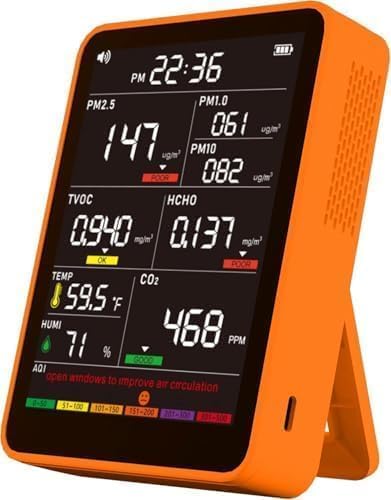
Air quality monitors measure particle levels, humidity, and pollutants in real-time, helping you identify when allergen levels spike and adjust your purifier settings accordingly. This data is especially useful for optimizing humidity levels (ideally 30-50%) to reduce dust mite activity and mold growth.
What's the difference between a humidifier and dehumidifier for allergy relief?
Humidifiers add moisture to dry indoor air (beneficial when humidity drops below 30%), while dehumidifiers remove excess moisture (necessary when humidity exceeds 60%). Both are important because proper humidity levels reduce dust mite populations and mold spore circulation, complementing your HEPA filtration system.
How often should I replace HVAC filters during spring allergy season?
During spring when pollen counts are high, replace HVAC filters every 1-3 months instead of the typical 3-month schedule to maintain effective filtration. Use high-quality MERV 11-13 rated filters to capture more allergens while still allowing adequate airflow through your system.
Can essential oil diffusers help with spring allergies?
While essential oil diffusers can provide pleasant aromatherapy, they should not replace medical allergy relief or HEPA filtration for removing actual allergens from the air. Some people find certain essential oils calming for congestion symptoms, but they don't reduce pollen, mold spores, or dust mite levels in your home.
🛒 Relevant Products for This Topic
Affiliate disclosure: if you buy through these links, we may earn a commission at no extra cost to you.
LEVOIT Air Purifiers for Home Large Room Up to 1875 Ft² with Washable...
$159.99
View Product Details →Professional Indoor Air Quality Monitor with AQI Beep Alarms, Portable...
$139.99
View Product Details →Professional 16 in 1 Air Quality Monitor Indoor 10h Battery & 5.5" Display 9...
$139.99
View Product Details →

