

How to Choose the Right Hepa Filters
High-Efficiency Particulate Air (HEPA) filters are a cornerstone of effective indoor air quality management. With the ability to capture at least 99.97% of airborne particles as small as 0.3 micrometers, HEPA filters effectively reduce allergens, pet dander, dust, mold spores, and even some viruses. Given the variety of options on the market, selecting the right HEPA filter tailored to your space and needs can significantly improve respiratory health and overall comfort.
Our Top Picks
Affiliate disclosure: if you buy through these links, we may earn a commission at no extra cost to you.

Understanding key specifications like Clean Air Delivery Rate (CADR), filtration efficiency, and room coverage ensures you invest in a filter that truly makes a difference. Let’s walk through how to make an informed choice that suits your environment and budget.
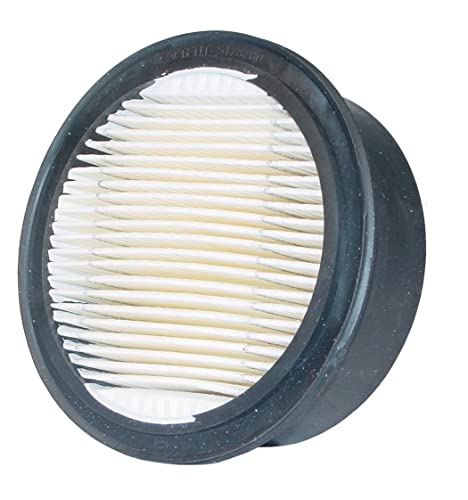
Solberg HE10™ HEPA Filter Cartridge, 1-3/8" Height, 4" Outer Diameter, 13 SCFM, Made in the USA
$39.24Check Price
Table of Contents
- Understanding HEPA Filter Ratings
- Matching HEPA Filters to Room Size
- Filtration Efficiency and Particle Sizes
- Cost of Replacement Filters and Longevity
- Additional Features to Consider
- Practical Tips for Maintenance and Usage For maximum effectiveness, position your HEPA filter unit centrally and away from obstructions like furniture or curtains that restrict airflow. Keep doors and windows closed during operation to prevent inflow of outdoor pollution, especially during high pollution days or pollen seasons. Replacing filters on schedule is vital—sticking to the manufacturer’s recommendations ensures your purifier performs at peak efficiency. Regularly clean external surfaces and fans, if applicable, to prevent dust buildup. For allergy relief, run your purifier continuously during high pollen seasons or after cleaning. 💡 Pro Tip: Use air quality monitors to gauge indoor pollution levels—this real-time data guides when and how long to run your HEPA filter for best results. Frequently Asked Questions
- Conclusion
Understanding HEPA Filter Ratings
HEPA filters are rated based on their ability to trap particles of specific sizes, with standard HEPA filters capturing at least 99.97% of particles measuring 0.3 micrometers—the most penetrating particle size (MPPS). This rating ensures maximum effectiveness against common indoor pollutants like dust, pollen, pet dander, and smoke particles.
In addition to filtration efficiency, pay attention to the CADR (Clean Air Delivery Rate). CADR reflects how quickly an air purifier can filter contaminated air, measured in cubic feet per minute (CFM). Higher CADR ratings indicate faster cleaning, especially important in larger spaces. For example, a CADR of 300+ is suitable for rooms over 300 square feet, whereas 100–150 might suffice for smaller bedrooms.
Matching HEPA Filters to Room Size
Room size dictates the necessary air purifier power and filter capacity. For optimal results, select a filter with a recommended coverage at or above your room’s square footage. Manufacturers usually specify the maximum room size—aim for a device rated for slightly larger areas to account for airflow dynamics and furniture barriers.
If you have a 250 sq ft bedroom with allergies, choose a HEPA filter rated for 300 sq ft to ensure consistent air cleaning. Conversely, for open-concept living rooms of 500 sq ft, opt for models with higher CADR ratings designed for larger volumes.
Filtration Efficiency and Particle Sizes
HEPA filters excel at trapping particles as small as 0.3 micrometers, but many high-quality filters also remove smaller particles through mechanisms like diffusion and interception, capturing particles down to 0.1 micrometers and even some bacteria and viruses. Look for filters certified by recognized standards, such as those adhering to the US Department of Energy (DOE) or the European EN1822 certification.
It's important to note that HEPA material doesn’t capture gases, chemicals, or odors. Complementing your HEPA filter with activated carbon or other chemical filters can help address these concerns, especially if indoor air has strong odors or VOCs from cleaning products and furnishings.
Cost of Replacement Filters and Longevity
HEPA filters typically need replacement every 6 to 12 months, depending on usage and air quality. Replacement filter costs range from $50 to $150, with higher prices often reflecting greater filtration capacity and longer-lasting media. Some budget filters may require more frequent replacements, adding to ongoing expenses.
Check the manufacturer’s recommendations on filter lifespan and replacement procedures. Regularly inspecting your filters for dust accumulation and discoloration helps ensure optimal performance. Investing in filters with easily available replacement parts can reduce ongoing costs and inconvenience.
Additional Features to Consider
Beyond core filtration, many HEPA-based units incorporate features like adjustable fan speeds, air quality sensors, and auto mode, which dynamically adjust operation based on real-time air quality readings. Some units include UV-C lights or ionizers—though be cautious, as ionizers can produce ozone, which may harm sensitive individuals.
Energy efficiency, noise levels, and ease of maintenance should also factor into your decision. For bedrooms or quiet spaces, look for low-noise models rated by decibel levels under 50dB.
Practical Tips for Maintenance and Usage
For maximum effectiveness, position your HEPA filter unit centrally and away from obstructions like furniture or curtains that restrict airflow. Keep doors and windows closed during operation to prevent inflow of outdoor pollution, especially during high pollution days or pollen seasons.
Replacing filters on schedule is vital—sticking to the manufacturer’s recommendations ensures your purifier performs at peak efficiency. Regularly clean external surfaces and fans, if applicable, to prevent dust buildup. For allergy relief, run your purifier continuously during high pollen seasons or after cleaning.
Frequently Asked Questions
How often should I replace my HEPA filter?
Typically every 6 to 12 months, depending on usage, air quality, and manufacturer recommendations. Some higher-end models feature indicator lights to alert you when replacement is needed.
Can HEPA filters remove viruses and bacteria?
HEPA filters can trap many bacteria and some viruses attached to aerosols, but they do not kill pathogens. Combining HEPA with UV sterilization or chemical disinfectants can enhance biological safety.
Are HEPA filters effective against odors and VOCs?
No, HEPA filters do not address gases or odors. To reduce these, use activated carbon filters in conjunction with HEPA media.
Will a HEPA filter reduce my allergy symptoms?
Yes, especially when combined with regular cleaning, allergen-proof covers, and minimizing indoor dander. High-quality HEPA filters significantly decrease airborne allergens that trigger allergies.
What is the difference between HEPA and other air filters?
HEPA filters have the highest particulate removal efficiency among standard filter types. Electrostatic and activated carbon filters target specific pollutants like gases or static electricity but generally lack the comprehensive particle filtration of HEPA.
Is it worth investing in a HEPA filter for small rooms?
Absolutely. Even small units provide meaningful air improvements. Choose a purifier rated slightly above your room size for optimal performance and efficiency.
Conclusion
Selecting the right HEPA filter involves understanding its specifications, matching it to your space, and considering long-term costs. By focusing on filtration efficiency, room size compatibility, and maintenance requirements, you can significantly improve your indoor air quality and health. Take the next step by assessing your specific needs—whether it’s a portable unit for a bedroom or a whole-house system—and choose a trusted model that offers the performance and reliability you deserve.
Frequently Asked Questions
How do I choose the right HEPA filter for my specific room size?
To select the correct filter, first calculate your room's square footage and match it to the CADR (Clean Air Delivery Rate) of the air purifier. Ensure the unit you purchase has a HEPA filter rated to handle that volume without overworking the motor, which is especially important for portable air cleaners in bedrooms.
What is the difference between standard HVAC filters and true HEPA filters?
Standard HVAC filters typically capture larger dust particles but lack the efficiency to remove fine allergens like pollen or pet dander. True HEPA filters are designed to capture at least 99.97% of particles as small as 0.3 micrometers, making them essential for allergy relief products where standard filters fall short.
Is it worth buying a whole house air purifier with HEPA filtration instead of portable units?
A whole house air purifier is worth the investment if you want to treat air throughout your entire HVAC system simultaneously, ensuring consistent quality in every room. However, for targeted relief in specific areas like a home office or nursery, high-quality portable air cleaners with genuine HEPA filters often provide better value and flexibility.
How do I know if a HEPA filter is genuine or just marketing fluff?
Look for certifications from independent testing labs like AHAM or NADCA that verify the filter captures 99.97% of 0.3-micron particles. Avoid products that claim 'HEPA-like' performance without third-party validation, as these often fail to meet the strict standards required for effective allergy relief.
What is the best way to maintain HEPA filters in humidifiers and dehumidifiers?
While HEPA filters are primarily for air purifiers, some advanced units combine filtration with humidity control; in these cases, check the manufacturer's guidelines as moisture can degrade certain filter media. Generally, replace your HEPA filter every 6 to 12 months depending on usage, and never wash a standard pleated HEPA filter unless explicitly stated by the maker.
How do I choose between a carbon-impregnated HEPA filter and a plain one for pet owners?
For pet owners dealing with odors alongside dander, choose a HEPA filter that includes an activated carbon layer to absorb smells while the HEPA media traps fur and skin flakes. A plain HEPA filter will still capture particles effectively but may not eliminate the strong odors associated with pets or cooking.
Is it worth upgrading my essential oil diffuser to one with a built-in HEPA filter?
Upgrading to a diffuser with a HEPA filter is only necessary if you need simultaneous air purification while dispersing scents; most standalone diffusers do not require filtration. If you have severe allergies, consider using a dedicated portable air cleaner near your diffuser rather than relying on the unit's built-in filter, which may clog quickly from oil residue.


