

Hepa Filters Buying Guide: What to Look For in 2026
🏆 Top Picks at a Glance
 #1
#1
Best Overall
Our Top Picks
Affiliate disclosure: if you buy through these links, we may earn a commission at no extra cost to you.
Labconco Precise HEPA-Filtered Glove Box Labconco
$1526.02
Check Price →
#2
Runner Up
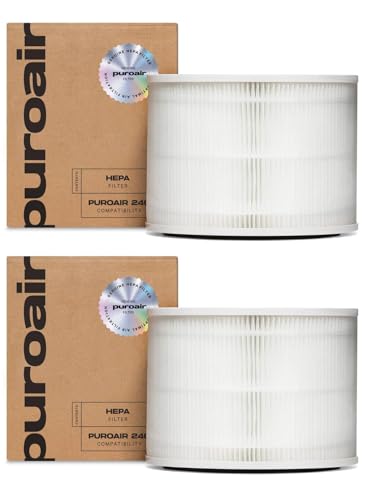
PuroAir 240 Replacement Filter - Genuine Puro Air 240 Filter Replacement - Official PuroAir Air Purifier HEPA Filter with CarbonTech Filters 99.9% of Pollen, Dust, Pet Dander, Smoke, Odors (2PK)
$69.99
Check Price →
#3
Best Value
Labconco Precise HEPA-Filtered Glove Box Labconco
$1526.02
Check Price →⚡ Quick Answer
Ensuring the air in your home is clean and safe is more important than ever. HEPA filters are at the forefront of indoor air purification, capable of trapping tiny airborne particles—including dust, pollen, pet dander, and bacteria—that can compromise your health. With advancements in technology and new standards emerging in 2026, understanding what makes a HEPA filter effective is crucial for making an informed choice.
Table of Contents
Whether you’re allergy-prone, managing respiratory conditions, or simply seeking fresher indoor air, selecting the right HEPA filter can make a significant difference. This guide breaks down the key technical specs, room coverage considerations, and future-proof features to help you invest confidently in your indoor air quality.
What Is a HEPA Filter?
HEPA stands for High-Efficiency Particulate Air. These filters are designed to trap at least 99.97% of airborne particles as small as 0.3 micrometers (µm). This size includes common allergens like pollen and pet dander, as well as bacteria and some viruses. The effectiveness of a HEPA filter stems from its dense filtering media, which uses a combination of mechanical interception, diffusion, and inertial impaction to capture particles.
In 2026, new standards are emerging that require HEPA filters to meet specific performance benchmarks, ensuring reliability and consistency across brands. Modern HEPA filters are now more durable and easier to replace, making them a practical choice for both residential and commercial use.
Filtration Efficiency & Particle Sizes
Understanding a HEPA filter’s efficiency involves recognizing the particle sizes it captures. While 0.3 µm is considered the most penetrating particle size (MPPS), HEPA filters are actually even more effective at trapping smaller and larger particles due to the physics of diffusion and impaction. They can effectively remove particles as small as 0.1 µm, including some bacteria and airborne viruses, though not all viruses are reliably captured without supplementary UV or ionization systems.
The filtration efficiency standards set in 2026 now stipulate that true HEPA filters must consistently meet or exceed 99.97% removal of 0.3 µm particles under testing conditions. This ensures your air purifier is genuinely capturing the most problematic airborne contaminants.
Understanding CADR Ratings
The Clean Air Delivery Rate (CADR) measures how much filtered air an air purifier can produce per minute, factoring in both airflow and filtration efficiency. Higher CADR ratings indicate faster and more effective air cleaning for a given room size. For example, a CADR of 300 cfm (cubic feet per minute) means the purifier can effectively refresh the air in a medium-sized room several times per hour.
In 2026, CADR standards are evolving to incorporate real-world performance metrics, ensuring that ratings reflect actual effectiveness at removing particles like dust, pollen, and smoke. When selecting a HEPA filter, match the CADR to your room size for optimal performance.
Room Size & Coverage
Always check the manufacturer’s claimed coverage area before purchasing. HEPA filters are rated to clean specific room sizes—ranging from small 100 sq ft personal purifiers to whole-house systems covering 2,000 sq ft or more. Oversizing your filter for the space can improve efficiency and reduce noise, but be mindful of energy consumption and cost.
Modern HEPA filters incorporate design features such as variable fan speeds to optimize energy use and filtration time. For large open-concept living areas, consider units with higher CADR ratings and multiple filters working in tandem or whole-house solutions integrated with your HVAC system.
Filter Technology & Replacement Costs
In 2026, HEPA filters are available in two main types: true HEPA and hybrid systems. True HEPA filters are solely dedicated to particle removal and generally require replacement every 6-12 months, depending on usage. The cost typically ranges from $50 to $150 per filter, with higher-end models offering longer-lasting filters and lower maintenance costs.
It's important to factor in replacement costs and availability, especially for larger or whole-house systems. Some advanced filters incorporate pre-filters and activated carbon layers, which extend service life and enhance odor and chemical pollutant removal. Replacing filters on schedule ensures maximum efficacy and indoor air safety.
Tips for Choosing the Right HEPA Filter in 2026
Select a HEPA filter based on your specific needs—consider room size, pollution sources, and health concerns. Always verify that the filter meets the latest standards, such as the ANSI/AHAM AC-1 certification, which confirms performance claims. Look for units with adjustable fan speeds, real-time air quality monitors, and smart features that notify you when filters need replacement.
Investing in a reputable brand with strong user reviews and transparent technical specs will safeguard your investment. Remember that the most advanced filters may cost more upfront but will save money in the long run through better efficiency and longer-lasting filters.
Frequently Asked Questions
How often should I replace my HEPA filter?
Most filters need replacement every 6 to 12 months. Check the manufacturer's recommendations and consider usage level; higher frequency may be necessary in highly polluted environments.
Are all HEPA filters the same?
No. True HEPA filters meet strict efficiency standards, while some cheaper models may claim HEPA-like filtration but are less effective. Always verify certifications and performance ratings.
Can HEPA filters remove viruses?
Yes, especially when combined with other technologies like UV sterilization. HEPA filters are effective at capturing many bacteria and some viruses, but no filter guarantees complete viral removal alone.
What is the difference between HEPA and ULPA filters?
ULPA (Ultra Low Penetration Air) filters are even more efficient, capturing 99.999% of particles down to 0.12 µm, used in cleanrooms and laboratories. For most home use, HEPA provides ample filtration.
How do I know if my HEPA filter is genuine?
Look for certification labels (e.g., ANSI/AHAM, EN 1822) and buy from reputable sources. Beware of cheap imitations that don’t meet established standards.
Is it worth paying more for a HEPA filter?
Generally yes. Higher-quality filters will offer better filtration efficiency, longer lifespan, and more reliable performance, often saving money and improving air quality over time.
Final Thoughts & Next Steps
Choosing a HEPA filter in 2026 means balancing technical performance with your specific indoor environment needs. Focus on filters that meet current standards, match your room size, and have manageable replacement costs. Remember, filtering your air is an investment in health, comfort, and peace of mind—so select wisely to ensure your home’s air remains safe and fresh.
Start by assessing your space and air quality concerns, then compare models based on CADR, filtration efficiency, and price. Regular maintenance and monitoring will keep your indoor environment at its best for years to come.


