

How to Effectively Reduce Spring Pollen in Your Home with an Air Purifier
Our Top Picks
Affiliate disclosure: if you buy through these links, we may earn a commission at no extra cost to you.


Spring brings renewal—and misery for the 50 million Americans who suffer from seasonal allergies. While you can't control what's blooming outside, you absolutely can control the air inside your home. The science is clear: HEPA filtration removes up to 99.97% of airborne pollen particles as small as 0.3 microns, which is well below the threshold of visible pollen grains (typically 10–100 microns). The catch? You need the right purifier in the right places, running at the right times. I'll walk you through the evidence-based approach to making your home a genuine pollen-free refuge.
Spring pollen doesn't just float passively through your spaces. It attaches to clothing, pets, furniture, and HVAC systems, then re-circulates continuously. A portable air purifier handles active air cleaning, but to truly "arrest" spring allergies at scale, you'll want to layer your defense: an appropriately-sized purifier for your bedroom, possibly a whole-house solution integrated with your HVAC, and complementary practices that reduce pollen entry and indoor cycling.
KNKA Air Purifier for Home Bedroom Large Room Up to 1,695 Ft² in 1 Hr, HEPA Air Cleaner with Washable Pre-Filter, AQI Display, ECO Mode, Sleep Mode, Pet Mode for Pets, Dust, Pollen, APH4000
$259.99Check Price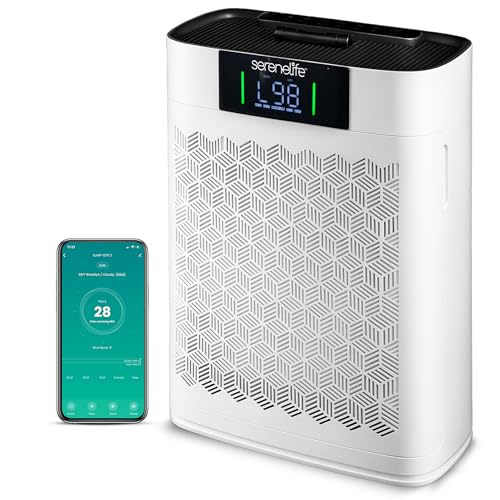
Table of Contents
Understanding Spring Pollen and Particle Sizes
Pollen exists in a range of sizes. Tree pollen (oak, birch, pine) typically ranges from 20–100 microns; grass pollen is 15–75 microns; and weed pollen spans 15–50 microns. Despite these larger sizes, a significant fraction of pollen—especially when degraded by humidity, air currents, or transport through your HVAC ducts—breaks into smaller fragments called pollen allergens and pollen-derived respirable particles, which can be 0.5–10 microns. This matters tremendously because particles under 2.5 microns (PM2.5) penetrate deeply into your lungs and bloodstream, exacerbating allergic inflammation and asthma.
When pollen enters your home (through open windows, doors, even on clothing and pet fur), it doesn't stay in one place. Air currents carry it throughout rooms, and if your HVAC system isn't equipped with a high-efficiency filter, recirculation spreads it constantly. Standard 1-inch fiberglass furnace filters (MERV 4–6) remove only 3–10% of pollen and virtually none of the sub-micron allergen particles. This is why portable HEPA purifiers and upgraded HVAC filters are non-negotiable for allergy sufferers during spring.
Choosing the Right Air Purifier: CADR Ratings and Room Coverage
CADR (Clean Air Delivery Rate) is the metric you must understand. It measures the volume of filtered air delivered per minute for three pollutant types: tobacco smoke, dust, and pollen. A CADR rating is expressed as cubic feet per minute (CFM). For spring pollen specifically, focus on the Pollen CADR. A rule of thumb: your purifier's Pollen CADR should be at least two-thirds of your room's square footage (for 10-foot ceilings). So for a 300-square-foot bedroom, you want a Pollen CADR of at least 200 CFM.
Example: A mid-range portable HEPA purifier like the Coway AP-1512HH has a Pollen CADR of 246, making it suitable for rooms up to approximately 370 square feet. Premium models like the IQAir HealthPro reach CADR ratings above 250 for larger spaces. The relationship between CADR and effective filtration is non-linear—a purifier that achieves only one air change per hour (ACH) in a room will miss a significant amount of cycling pollen; aim for at least 4–5 ACH during peak allergy season, which means running your purifier on higher speeds when you're home and in the room you occupy most.
Don't assume a whole-house purifier alone will solve the problem. While MERV-13 and MERV-16 HVAC filters (and integrated electronic air cleaners) provide consistent, whole-home filtration, they operate at the system's air handler velocity, which is much lower than a portable purifier. Most homes experience only 2–3 ACH at the furnace level, insufficient for active pollen seasons. The optimal strategy: upgrade your HVAC filter to MERV-13 or higher (or install a whole-house electronic air cleaner), then supplement with a 4–5 ACH portable purifier in your bedroom and living areas.
Strategic Placement and Multi-Zone Setup
Where you place your purifier matters almost as much as which model you buy. Install your portable purifier in your bedroom, ideally on a nightstand or low table near your bed (but not directly facing you). This creates a "personal zone" of clean air where you spend 8+ hours. Ensure the purifier has at least 1–2 feet of clearance on all sides to allow unrestricted air intake. Placing a purifier in a corner or against a wall significantly reduces its effective CADR. Run it on a medium or high speed (depending on noise tolerance) during evening and nighttime hours when you're present, starting an hour before bedtime to achieve peak pollen reduction before sleep.
For a multi-room setup, your priority order should be: bedroom first, followed by your primary living/work space (office, family room), then additional bedrooms if multiple household members have allergies. If budget is limited, one well-positioned bedroom purifier provides the most allergy relief because your home's bedroom is where you're most vulnerable—breathing concentrated indoor air for extended periods. Secondary rooms benefit from upgraded HVAC filtration alone until you can add additional portable units.
Whole-house integration works differently: if you install a HEPA-rated whole-house purifier (typically electronic air cleaners or media filters integrated into your HVAC system), place the HVAC return air intake away from direct outdoor air entry points (windows, doors). This prevents fresh outside pollen from bypassing the filter. Ensure your HVAC system returns filtered air evenly through return vents in major living spaces; some homes have unbalanced return air design, meaning certain rooms get less filtered air circulation than others. Consult an HVAC technician if you suspect this problem.
Filter Selection, Replacement Schedules, and Costs
HEPA filters come in three grades: true HEPA (captures 99.97% of particles ≥0.3 microns), High-Efficiency Particulate Air (similar standard), and H13–H14 medical-grade HEPA (99.99%+). For spring pollen reduction, standard HEPA is sufficient; the premium medical-grade versions are overkill unless someone in your household is severely immunocompromised. However, pay attention to pre-filters and activated carbon layers. A good pre-filter extends HEPA life by capturing larger particles first; activated carbon removes odors (useful if pollen aggravates indoor odor problems) but doesn't add pollen filtration. Prioritize HEPA thickness and surface area over add-ons.
Replacement frequency depends on runtime and air quality. In high-pollen seasons with 12+ hours daily operation, expect HEPA filter life of 6–12 months. Pre-filters may need monthly inspection and replacement every 2–4 months. Budget accordingly: entry-level portable purifier HEPA replacements cost $25–50; mid-range models run $40–80; premium units like IQAir exceed $150 per filter. Over a year of spring-summer use, plan for $50–300 in filter costs depending on your setup. Whole-house HVAC MERV-13 filters cost $15–30 per filter and require replacement every 3–6 months during high-pollen seasons. Many homeowners find this acceptable given the extended lifespan and simplified maintenance.
- Portable purifier HEPA: $60–150/year (1–3 replacements)
- HVAC MERV-13 filter: $60–120/year (4–8 replacements)
- Whole-house electronic cleaner media: $50–200/year
- Total household allergy strategy: $120–300/year
Check filters monthly by holding them up to light; if you see visible dust accumulation or air resistance feels stronger (fan speed needs to increase to maintain noise levels), replace the filter early. Don't reuse or wash HEPA filters—they're mechanical, not washable, and washing destroys their electrostatic charge and fine fiber structure. Electrostatic (washable) pre-filters are an option for cost savings, but they're less efficient than true HEPA and better suited as secondary stages.
Complementary Strategies to Maximize Pollen Reduction
Air purifiers are powerful, but they work best as
Frequently Asked Questions
What is the best CADR rating for removing spring pollen from my home?
CADR (Clean Air Delivery Rate) ratings should match your room size—aim for a rating at least two-thirds of your room's square footage for effective pollen removal. For example, a 300 sq ft bedroom needs a CADR of at least 200 for pollen, which indicates the air purifier can clean that space multiple times per hour. Higher CADR ratings ensure more efficient pollen filtration, especially during peak allergy season.
How do I choose the right air purifier for spring allergies?
Look for air purifiers with true HEPA filters, which capture 99.97% of pollen particles as small as 0.3 microns, and check the CADR rating matches your room size. Consider whether you need a portable air cleaner for individual rooms or a whole house air purifier integrated with your HVAC system. Also verify the filter replacement costs and frequency, as HEPA filters typically need changing every 6-12 months depending on usage.
Is it worth buying an air purifier specifically for pollen allergies?
Yes, especially if you're among the 50 million Americans suffering from seasonal allergies—a quality HEPA air purifier can significantly reduce airborne pollen indoors when combined with strategic placement. Studies show that properly sized and positioned air purifiers can remove up to 90% of pollen particles from indoor air within 2-3 hours. For allergy sufferers, the investment often pays for itself through reduced medication costs and improved sleep quality during spring months.
Where should I place my air purifier to remove the most pollen?
Place your primary air purifier in the bedroom or most-used living area, positioned 1-3 feet away from walls and at least 3 feet from windows where pollen enters. For multi-zone setups, use portable air cleaners in secondary rooms and ensure intake vents face open areas away from obstacles that block airflow. Running the purifier continuously or during high pollen count hours (typically early morning and late afternoon) maximizes pollen removal.
How often do I need to replace my HEPA filter to maintain pollen removal effectiveness?
HEPA filters typically need replacement every 6-12 months, though high pollen seasons may require more frequent changes if the filter becomes visibly clogged or airflow decreases. Check your specific air purifier model's recommendations, as usage hours and local pollen density affect filter lifespan. Using an air quality monitor can help track when your filter needs replacement by showing declining air quality despite running the purifier.
Can I use an air purifier with a humidifier or dehumidifier for better allergy relief?
Yes, combining an air purifier with a humidifier or dehumidifier can improve allergy relief by maintaining optimal humidity levels (30-50%), which prevents pollen from becoming airborne while keeping airways moist. Many people find that running a HEPA air purifier alongside a humidifier reduces both pollen exposure and irritation symptoms. However, keep humidifiers clean to prevent mold growth, and use a dehumidifier in humid climates where moisture can worsen indoor air quality.
How do I know if my air purifier is working effectively against spring pollen?
Use an air quality monitor to track particulate matter (PM2.5) levels before and after running your air purifier—effective units should show a noticeable decrease within 30 minutes. You'll also notice reduced allergy symptoms like sneezing and congestion when indoors, and less visible dust accumulation on surfaces. Compare air quality readings on high pollen days versus low pollen days to ensure your purifier's CADR rating is adequate for your space.


