

How to Improve Indoor Air Quality with a Whole House HVAC Air Purifier
Our Top Picks
Affiliate disclosure: if you buy through these links, we may earn a commission at no extra cost to you.

The average person spends approximately 90% of their time indoors, yet indoor air is frequently 2-5 times more polluted than outdoor air. This isn't just an inconvenience—it's a legitimate health concern. Particulates, allergens, volatile organic compounds (VOCs), and microbial contaminants accumulate in our homes, triggering asthma, allergies, respiratory infections, and long-term inflammation. A whole house HVAC air purifier integrates directly into your home's existing heating and cooling system, continuously filtering the air circulating through every room. Unlike portable air cleaners that treat a single room, whole house systems offer comprehensive, passive protection that requires minimal user intervention once installed.
In this guide, I'll walk you through exactly how whole house HVAC air purifiers work, how to assess whether your home needs one, and the step-by-step process to select and maintain a system that actually delivers measurable improvements to your indoor air quality. We'll cover the science behind HEPA and MERV ratings, filter replacement schedules, and realistic cost-benefit analysis—because understanding your equipment leads to better health outcomes.
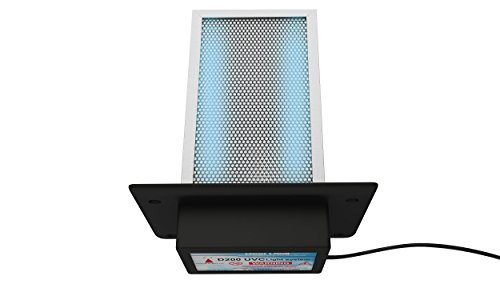
Air Health Haven Plus HVAC Air Purifier | 16" UV-C Light, PCO Technology and Carbon Filtration | for Germs, VOCs, Odors | Easy DIY Installation
$349.95Check Price
Table of Contents
Understanding HVAC Air Purification Technology
A whole house HVAC air purifier works by capturing particulate matter and contaminants as conditioned air passes through your furnace or air handler. Unlike portable units that recirculate air in a limited space, whole house systems integrate into your home's return air ductwork—meaning every bit of air that cycles through your heating and cooling system also passes through the purification stage. The most effective whole house systems use HEPA (High-Efficiency Particulate Air) filtration or high-MERV (Minimum Efficiency Reporting Value) filters, which trap particles as small as 0.3 microns with 99.97% efficiency.
Here's where the science matters: MERV ratings range from 1 to 20, with higher numbers capturing smaller particles. A MERV 13 filter traps particles down to 1 micron (pollen, mold spores, dust, most bacteria), while MERV 16-20 approaches HEPA-level filtration. However, higher MERV ratings increase airflow restriction—your HVAC system has to work harder to push air through. This is why I always recommend confirming your furnace or air handler can support the filtration level you choose; otherwise, you'll sacrifice efficiency and increase energy costs. True HEPA filters (not just "HEPA-type") guarantee 99.97% filtration of 0.3-micron particles, making them ideal for homes with severe allergies, asthma, or immunocompromised residents.
MERV Rating: Filter effectiveness. MERV 13 is the practical sweet spot for most homes; MERV 16+ for allergy sufferers.
CFM (Cubic Feet per Minute): Airflow rate. Your HVAC system must support the CFM of your filter without strain.
Particle Size: HEPA filters capture 0.3 microns; MERV 13 captures 1 micron and larger.
Filter Life: Typically 12-24 months depending on usage and air quality, but check monthly.
Another critical consideration: activated carbon layers in whole house filters address VOCs (off-gassing from paints, furnishings, cleaning products) and odors, which mechanical filtration alone cannot handle. If you live near traffic, have pets, or use chemical cleaners regularly, a system with carbon pre-filtration adds substantial value. That said, carbon filters have a finite lifespan for VOC absorption and degrade faster than HEPA layers—typically 3-6 months of heavy VOC exposure.
Assessing Your Home's Air Quality Needs
Not every home needs the same level of filtration—your choices should reflect your specific air quality challenges. I recommend starting with baseline data. An air quality monitor (devices measuring PM2.5, PM10, and sometimes VOC levels) gives you objective numbers before and after installation. Consumer-grade monitors like the Awair Element or IQAir AirVisual are accurate enough for household decision-making. If your PM2.5 readings regularly exceed 35 micrograms per cubic meter indoors (the EPA standard), or if 50+ micrograms outdoors (often from wildfire smoke or poor AQI), a whole house system becomes a sound investment rather than a luxury upgrade.
Pay close attention to these risk factors: Do you have allergies or asthma? Pets? Smokers in the household? Do you live near a highway or industrial area? Recent water damage or mold? Do you have a basement or crawlspace prone to humidity and dust mites? Each of these scenarios increases indoor particulate load. For example, a single dog sheds approximately 560 grams of hair annually, generating copious pet dander—a 1-2 micron allergen that settles throughout the home. A family with two dogs and a MERV 11 filter is essentially recirculating pet allergen; upgrading to MERV 13 or integrating a whole house HEPA system becomes medically justified.
I also recommend checking your home's square footage. Whole house systems require proper ductwork integration and airflow balance. Homes under 1,500 square feet with simple duct layouts are ideal candidates. Larger homes, multi-zone systems, or homes with extensive additions may require multiple integration points or higher-capacity systems. Your HVAC technician can calculate the required airflow based on your existing system's capacity and your home's square footage.
Budget is another essential assessment factor. A whole house HEPA system ranges from $800-$2,500 for equipment, plus $300-$800 for professional installation. Annual filter replacement costs range from $150-$400, depending on system type and air quality conditions. Compare this to running a high-capacity portable HEPA cleaner 12 hours daily—approximately $30-$50 monthly in electricity, plus $150-$250 annually for filter replacements. Over five years, a whole house system pays dividends in convenience and coverage, but upfront costs are undeniably higher.
Choosing the Right Whole House System
The market offers several whole house air purifier approaches, each with distinct advantages. Understanding these options prevents expensive mistakes. Media filters are the most common: they install in your furnace's filter rack and use high-MERV pleated filters (typically MERV 13 or 16). Brands like Aprilaire, Lennox, and Carrier make reliable units compatible with standard HVAC systems. Media filters cost $1,200-$1,800 installed and filter replacements run $40-$80 every 12 months. They're straightforward, compatible with nearly any HVAC system, and require minimal maintenance beyond quarterly filter checks.
Electronic/electrostatic filters use electrical charge to attract and trap particles, then require washing rather than replacement. Brands like Trane's XL20 and Aprilaire's 5000 models fall into this category. Initial cost is higher ($1,800-$2,500 installed), but you wash rather than replace filters, reducing long-term consumable costs to $50-$100 annually. However, they generate small amounts of ozone as a byproduct—a concern for asthmatics and those with respiratory sensitivity. I generally recommend these for homes without respiratory concerns and where occupants are committed to monthly washing.
True HEPA whole house systems are premium installations that retrofit a dedicated HEPA filter into your ductwork, either at the return air plenum or supply air side. These guarantee 99.97% filtration of 0.3-micron particles and cost $2,000-$3,500 installed. Filter replacements ($100-$200 annually) are necessary because HEPA media cannot be washed. If your household includes immunocompromised individuals, severe asthmatics, or you're dealing with active mold/contamination, the higher upfront cost is justified.
Media Filter (MERV 13): $1,200-$1,800 installed | $40-$80/year filters | Best for general use
Media Filter (MERV 16): $1,300-$1,900 installed | $60-$100/year filters | Better allergen removal
Electrostatic Filter: $1,800-$2,500 installed | $50-$100/year maintenance | Washable, lower consumable costs
HEPA System: $2,000-$3,500 installed | $100-$200/year filters | Best filtration, premium cost
When selecting a system, verify these specifications with your HVAC technician: (1) Your furnace's CFM rating and whether it supports the filter's airflow requirements without ductwork modifications. (2) Filter dimensions—do they fit your existing filter rack? (3) Warranty coverage—look for 5-year parts warranties on media filters and 10-year warranties on electrostatic units. (4) Noise levels—some filters add subtle whooshing; clarify this with your installer. (5) Smart features—many modern systems integrate with home automation for filter change alerts and system monitoring. Aprilaire's app-enabled systems, for instance, send phone notifications when filters reach 80% usage, eliminating guesswork.
Installation and Integration Steps
While I strongly recommend professional installation for optimal performance, understanding the process helps you communicate with your technician and validate their work. Step 1: System Inspection and Planning. Your technician should photograph your current filter location, measure ductwork, and assess return air design. They'll verify your furnace can support the new filter's CFM and check for any modifications needed (ductwork adjustments, sealed air leaks, filter rack upgrades). This inspection typically takes 30-45 minutes and is often included in installation quotes.
Step 2: Equipment Staging and Ductwork Preparation. Professional installers shut down your HVAC system, inspect return air plenum for leaks or gaps (critical because leaks bypass your filter entirely), and seal any issues with mastic sealant. They'll verify that all ductwork connections are airtight—a single quarter-inch gap can leak approximately 5% of your conditioned air. Next, they prepare the filter mounting area, ensuring the filter frame sits flush against the plenum or filter rack without air gaps around the perimeter.
Step
Start by assessing your home's specific air quality needs, considering factors like square footage, existing HVAC system compatibility, and primary pollutants (allergens, pet dander, smoke, etc.). Look for systems with HEPA filters, which can capture 99.97% of particles 0.3 microns or larger, and consider pairing them with an air quality monitor to track improvements and determine if additional measures like humidifiers or dehumidifiers are needed. Whole house air purifiers integrate directly into your HVAC system to filter all air circulating through your home, while portable air cleaners work independently in individual rooms. Whole house systems are more comprehensive for continuous air filtration but require professional installation, whereas portable cleaners offer flexibility and are ideal for targeted allergy relief in specific spaces. Yes, considering that indoor air is 2-5 times more polluted than outdoor air and people spend approximately 90% of their time indoors, a whole house air purifier is a worthwhile investment for health. It provides continuous filtration through your existing HVAC system, reduces allergens, and can be particularly beneficial for allergy sufferers and those concerned about air quality throughout their entire home. Most HEPA filters in whole house systems should be replaced every 6-12 months, depending on your home's air quality, pets, and system usage. Regular replacement ensures optimal performance and maintains the system's ability to capture pollutants effectively; using an air quality monitor can help you determine when replacement is necessary. Yes, whole house air purifiers with HEPA filters are highly effective at removing common allergens including pet dander, dust mites, and pollen from your entire home. For maximum allergy relief, combine your air purifier with proper humidity control using humidifiers or dehumidifiers, as optimal indoor humidity levels (30-50%) also reduce allergen proliferation. An air quality monitor can help you measure pollutant levels in your home and determine if an air purification system is necessary. Consider getting one if you experience allergies, have pets, live in an area with poor outdoor air quality, notice odors or stuffiness indoors, or have family members with respiratory issues. A comprehensive approach includes using HEPA filters in your HVAC system, maintaining proper humidity levels with humidifiers or dehumidifiers (30-50% is ideal), ensuring good ventilation, and removing sources of pollution like smoke and excess dust. Consider complementary products like essential oil diffusers for natural freshening and regularly monitor air quality to track improvements and identify remaining issues.Frequently Asked Questions
How do I choose the right whole house air purifier for my home?
What is the difference between a whole house air purifier and portable air cleaners?
Is it worth installing a whole house HVAC air purifier?
How often do I need to replace HVAC filters in a whole house air purification system?
Can I use a whole house air purifier to help with allergies and pet dander?
How do I know if my home needs an air purification system?
What's the best way to improve indoor air quality besides an air purifier?


